Mobile Home Mold Removal in Marlboro Village, MD
Mold removed from affected rooms and accessible underbelly materials in your Marlboro Village manufactured home. Call 24/7 to start your assessment and cleanup.
- Underbelly and subfloor checked
- Containment and HEPA filtration
- Moisture source addressed first
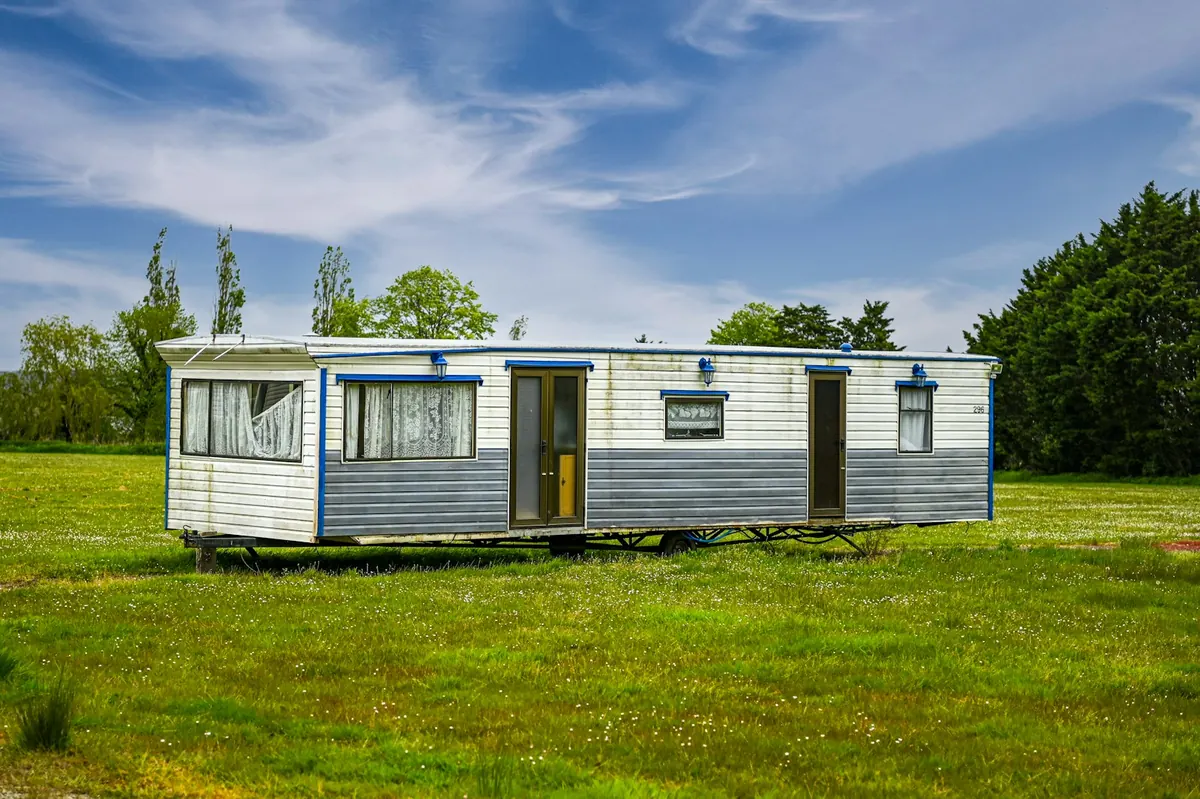
Mobile Home Mold Removal Services Across Marlboro Village
Your cleanup covers wall panels, ceilings, flooring and the underbelly of your manufactured home. Sound surfaces are cleaned and dried; unsalvageable materials are removed.
Roof openings and plumbing, windows and reachable HVAC ducts are checked for dampness during your mobile home inspection. Assessment covers both double-wide and single-wide homes and includes the belly board below the floor.
Your written plan specifies the removal area and contained entry, with repair work defined separately. Wall mold may mean opening affected panels. Checks beneath your floor assess its covering, insulation and subfloor.
- Wall panel and ceiling cleanup
- Subfloor and framing cleaning
- Affected underbelly insulation removal
- Moisture checks around pipes and ducts
- Containment During Removal and Final Checks for Dryness
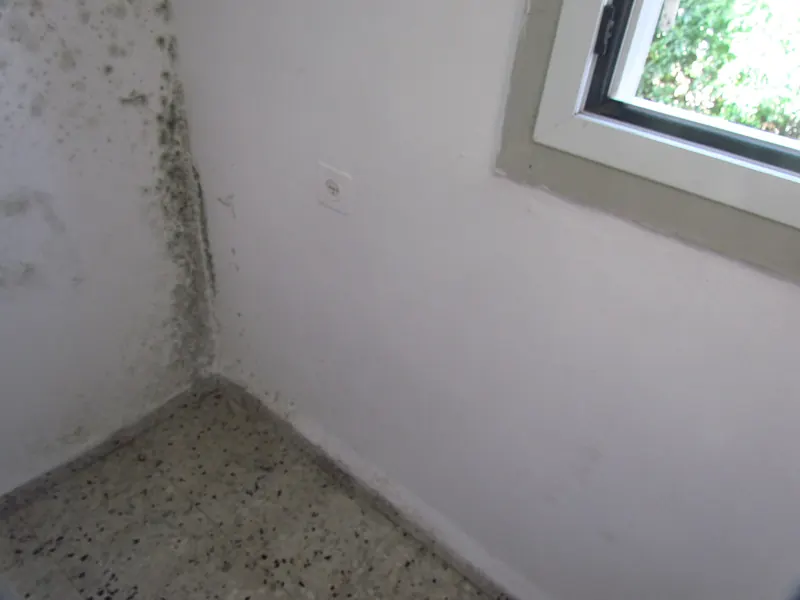
Signs You Need Mobile Home Mold Removal
Damage out of sight may explain recurring growth, damp insulation or softness in your flooring.
Sagging Underbelly Covering
An assessment of enclosed materials is warranted by visible tears, loose hanging insulation or water dripping beneath your home.
Ceiling Spots in Your Mobile Home
A roof leak may show up as visible mold growth or expanding stains around roof openings.
Musty Smell Near Floor Registers
A lingering smell around an HVAC duct or floor opening may occur with hidden dampness under your living space.
Damp Mobile Home Walls
Peeling finishes or swollen panels below windows can signal a window leak and concealed moisture.
Soft Mobile Home Floors
You may find rising floor coverings and soft patches by fixtures with a plumbing leak or soaked subfloor.
Mobile Home Mold Removal: How the Process Works
Your cleanup traces moisture within accessible cavities. Final checks happen while containment is still in place.
Mobile Home Assessment
Begin your call by describing damage and access. A thermal imaging camera shows temperature variations without identifying mold; a moisture meter maps where materials are damp.
Moisture Source and Scope
Leaks are assessed alongside under-floor moisture and ventilation. Cleanup and source repairs appear separately in your scope, with any crawl space vapor barrier work among those repairs.
Work Area Containment
A containment barrier is built with poly sheeting. Removal uses negative air pressure, protective equipment and a HEPA air scrubber to limit airborne dust and mold spores.
Damaged Material Removal
Affected insulation, unsalvageable panels and damaged flooring are removed as needed. Belly board openings match the assessed area; debris goes into bags inside containment.
Cleaning Retained Surfaces
A HEPA vacuum is used on sound framing and subfloor, along with surface cleaning. Non-porous surfaces need both cleaning and drying; cleaning remains necessary even with antimicrobial treatment.
Controlled Drying
A dehumidifier and air movers support drying after removal and cleaning. Before replacement materials enclose the area, sources are corrected; moisture readings monitor drying progress.
Verification and Containment Removal
Agreed post-remediation verification, cleaning and drying must finish ahead of containment removal. Any specified clearance testing is carried out by an independent assessor ahead of enclosing the area with replacement materials.
Why Choose Washington Mold Removal Services for Mobile Home Mold Removal
Calls Answered 24/7
Use one number to begin cleanup of your manufactured home anywhere in the metro, whether day or night.
Mobile Home Moisture First
Before cleanup starts, your assessment identifies water entry on both sides of the floor.
Contained Work With HEPA Filtration
Containment and filtration are matched to your affected area and debris route.
Clear Scope Before Removal
Your scope defines removal, underbelly access and separate repairs before work starts.
Removal Through Final Checks
Removal of damaged insulation and cleaning and drying of sound surfaces precede verification and containment removal.
Mobile Home Cleanup in Prince George's County: Before You Begin
Avoid disturbing your underbelly or affected rooms while awaiting assessment.
- Preserve Intact Panels and Your Belly Board. Keep insulation up and do not open cavities.
- Keep away from soft flooring. Avoid electrical equipment exposed to water and surfaces damaged underfoot.
- Exclude People From the Affected Area. Prevent children and pets from approaching growth you can see.
- Avoid spreading particles. EPA guidance calls for keeping a potentially mold-contaminated HVAC system switched off.
- Arrange prompt drying. Dry water-damaged items and areas within 24 to 48 hours for mold growth prevention, as EPA advises.
Mobile Home Mold Removal Cost in Marlboro Village
Your price depends on affected materials and access beneath the floor. Fixr lists general remediation ranges here, rather than prices specific to manufactured homes.
Typical national range, average $3,500
$1,500 to $9,000 per jobSource: Fixr, Mold Remediation Cost (checked 2026-10-23)Professional rate for areas over about 10 square feet
$10 to $30 for each square footSource: Fixr, Mold Remediation Cost (checked 2026-10-23)About 50 square feet of mold
$500 to $1,500 per jobSource: Fixr, Mold Remediation Cost (checked 2026-10-23)Your Mobile Home Cleanup Cost: What Affects the Amount
- Affected square footage
- Rebuilding, Testing and Moisture Repairs Listed Separately
- Under-floor clearance and skirting access
- Insulation and damaged panel removal
- Containment, cleaning and drying equipment
Your Manufactured Home Cleanup Price
These published national ranges are planning figures. Your on-site assessment defines the work and price before cleanup starts, including any separate source repairs or rebuilding.
Call (844) 352-3560 about costMobile Home Mold Removal Service Area Across Greater Washington
Call (844) 352-3560 to arrange cleanup in Marlboro Village or nearby communities. One number covers the metro.
Mobile Home Mold Removal in Locations Near Marlboro Village
ZIP codes
Frequently Asked Questions About Mobile Home Mold Removal in Marlboro Village
In Prince George's County, which factors change mobile home mold remediation cost?
Your price follows affected area, under-floor access, insulation volume and material condition. The cost cards list broad national ranges, identifying sources and measurement units. Independent testing and repairs can cost extra, as can replacing finishes. An explanation of your scope and price comes ahead of work.
Does the whole floor or underbelly have to come out?
Assessed damage determines what comes out. Sound subfloor and framing may be cleaned and dried. Removal may be necessary for moldy insulation, deteriorating flooring and damaged panels. The belly covering is opened where access is needed, with replacement and structural repairs defined separately in your scope.
Could your mobile home develop mold again after cleanup?
If dampness stays, mold can come back. Your pre-cleaning assessment follows leaks, dampness below the floor and condensation. Replacement materials go in after source correction and drying. Keep your roof, plumbing and window repairs sound as part of continued moisture control following cleanup.
What is the timeline for mobile home cleanup in Marlboro Village?
Your timeline is set after assessing affected rooms, the condition of materials and access beneath the home. Tight clearance lengthens removal, while a damp subfloor may take extra time to dry. Moisture readings direct that work. Repairs and final checks also affect when your space can reopen.
Can you stay in your manufactured home during cleanup?
You may be able to stay if occupied rooms remain separate from containment and the debris route. A narrow layout, shared ventilation or interrupted utilities can make staying impractical. Assessment before removal sets out any temporary relocation needs together with restrictions on your access.
Does the work also repair leaks and damaged belly covering?
Cleanup planning also identifies moisture issues and necessary repairs. Your scope must list plumbing, roof work, insulation replacement and belly covering repairs for those tasks to be included. Repairs are defined ahead of removal; new materials enclose the under-floor space only after drying and verification finish.
Is testing necessary before manufactured home cleanup or afterward?
For visible mold, EPA often does not call for air sampling. Inspection and moisture checks define the affected area. Checks of cleaning and drying follow removal and precede taking containment down. An assessor independent of removal conducts any specified clearance testing. There is no federal limit for mold levels indoors.
Your Mobile Home Cleanup and Insurance in Maryland
Insurance coverage reflects your moisture source, policy exclusions, deductible and mold limits. Your policy may treat replacement building materials differently from cleanup or repairing leaks.
Safety Around Mobile Home Mold Throughout Greater Washington
Controlled access and containment limit disturbance in your rooms and under-floor spaces.
Underbelly Access
Access under your home depends on nearby utilities, skirting and limited clearance.
Mobile Home Floor Condition
Have a softened subfloor assessed for repair before allowing people or equipment onto the area.
Mold Color
Mold color cannot show you the level of risk, CDC says.
Sensitive Occupants
CDC notes that mold can trigger allergy and asthma symptoms in some people.
Cleanup scope: EPA says areas under about 10 square feet can often be homeowner-cleaned. Mold from sewage or contaminated water warrants professional help, as do larger areas and HVAC systems.
Cleaning or Removing Mobile Home Materials in Prince George's County
What you can keep depends on each material's condition.
Sound surfaces
- Cleaning and drying may be possible for sound subfloor and framing, plus undamaged tile, metal and glass.
Damaged porous materials
- Where removal is necessary, damaged panels and unsalvageable flooring come out alongside moldy insulation.
Underbelly and finishes
- Replacement follows drying; damaged structural floor sections and damaged belly covering need assessment for repair.
Mobile Home Cleanup Timing in Prince George's County
Your timeline depends on removal, access, repairs and drying.
- Access beneath the home: Skirting and tight clearance may lengthen the removal process.
- Hidden damage: More removal may be needed after affected panels or belly board are opened.
- Drying and completion: Readiness for replacement materials depends on final checks alongside moisture readings.
Odor and Humidity in Your Marlboro Village Mobile Home
Musty odor is investigated through moisture checks. Smell alone cannot define the removal area; fragrance does not correct the source.
A dehumidifier leaves your roof or plumbing leak unrepaired. For relative humidity indoors, EPA recommends staying below 60 percent; the ideal range is 30 to 50 percent.
Mobile Home Cleanup Requirements in Maryland
Mobile Home Work Requirements
Maryland does not have a working statewide license for mold remediators. A 2008 law created one under the Maryland Home Improvement Commission, but it was never put into operation and later expired.
Repair Permits
The structural, electrical or plumbing work involved determines permit requirements.
EPA Drying Guidance
Water-damaged areas and items should be dried within 24 to 48 hours to prevent mold growth.
State Mold Information
The Maryland Department of the Environment leads the state's mold information effort under the 2025 law, working with the Department of Health and other agencies. The law directs it to build a mold website and pamphlet and to write mold assessment and remediation standards by June 2027.
State guidance: Maryland General Assembly, SB 856 (2025) Fiscal and Policy Note, Maryland Tenant Mold Protection Act; Maryland General Assembly, Chapter 539 of 2025 (SB 856) enrolled text; Maryland General Assembly, SB 856 bill page (Approved by the Governor, Chapter 539); Maryland Workgroup on Mold Standards and Remediation report (HB 976 of 2023, submitted 2024)
Related Services and Next Steps
Start Your Mobile Home Mold Removal in Marlboro Village
Call 24/7 to arrange your assessment. Your cleanup starts with the affected surfaces, moisture source and access to your home.